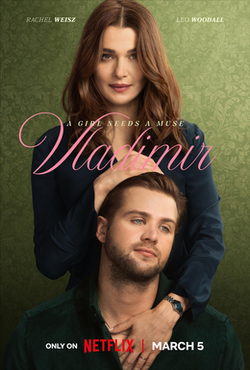
The Enigmatic Allure of the Vladimir Netflix Series: A Rachel Weisz Masterclass?
The highly anticipated
Vladimir Netflix series has ignited a firestorm of discussion even before its wide release, promising a viewing experience as challenging as it is compelling. Based on Julia May Jonas's critically acclaimed debut novel, this adaptation plunges viewers into the complex, often discomfiting world of a tenured English professor grappling with her husband's misconduct and her own increasingly unmoored perspective. At its heart is Rachel Weisz, whose portrayal has been lauded as "unswervingly brilliant," signaling a performance that will undoubtedly define the series. Yet, early whispers from critics present a fascinating dichotomy: while some predict the show will be "admired for years to come," others claim it "aims for ‘Fleabag’ and falls wildly short." This polarized reception only heightens the intrigue, making a deep dive into the
Vladimir Review essential for anyone curious about this provocative new entry into the prestige TV landscape.
Rachel Weisz's Vexing Portrayal: Brilliance Amidst Controversy
Rachel Weisz steps into the shoes of the unnamed 58-year-old English professor and two-time novelist, a character whose moral compass often points in unsettling directions. Her husband, John, also a professor and departmental chair, faces suspension after multiple former students accuse him of sexual misconduct – claims he doesn't deny. What makes Weisz's role so "vexing" and brilliant is her nuanced embodiment of a woman who, despite knowing about her husband's affairs, staunchly refuses to label them as rape, dismissively viewing the students as "consenting adults." This refusal to acknowledge the inherent power imbalance within an academic relationship forms the cornerstone of her controversial perspective.
Weisz's performance will likely showcase the narrator's intellectual prowess intertwined with her stark cynicism. The character's jaded views on teaching, epitomized by her thought that students are "only interested in what they think anyway" and the exhaustion of being "constantly bombarded by everyone’s best efforts," paint a picture of a mind both sharp and deeply reclusive. Her unique, almost sexual, description of the urge to write further highlights her unconventional inner world. A truly brilliant actor can make an unlikeable character fascinating, prompting viewers to interrogate their own biases and understandings of morality. Weisz, renowned for her ability to convey complex inner turmoil with subtle yet powerful expressions, is perfectly poised to navigate this moral labyrinth, challenging audiences to confront uncomfortable truths without offering easy answers. Her skill in bringing this deeply flawed yet compelling character to life is undoubtedly a key factor in the overwhelmingly positive buzz around her performance in this thought-provoking
Vladimir Review.
Fleabag's Shadow: High Hopes and Harsh Realities
The comparison of
Vladimir to Phoebe Waller-Bridge’s groundbreaking series,
Fleabag, is both inevitable and, perhaps, unfair. Both shows feature complex, often morally ambiguous female protagonists who break taboos and challenge societal norms, engaging viewers with their unfiltered thoughts and unconventional lifestyles.
Fleabag achieved critical and popular acclaim for its razor-sharp wit, devastating emotional depth, and its unique fourth-wall-breaking narrative style, creating a deeply personal yet universally resonant exploration of grief, love, and self-acceptance.
Where
Vladimir reportedly "falls wildly short" in this comparison might stem from its intentional divergence in tone and purpose. While
Fleabag offered moments of dark humor and ultimately a path towards healing, the source material for
Vladimir delves into a much grimmer and more unsettling psychological space. The unnamed professor's journey is not one of seeking redemption or even self-awareness in the traditional sense; instead, it's a descent into a self-justifying "madness" hinted at by the book's opening quote: "...let me go mad in my own way." This deliberate embrace of moral ambiguity and the protagonist's steadfast refusal to conform to conventional ideas of victimhood or villainy could make it a much less 'likable' and, therefore, a more challenging watch for audiences expecting a similar catharsis or charming relatability found in
Fleabag. The brilliance of
Vladimir may lie precisely in its refusal to offer the comforting hand of reconciliation, instead forcing viewers to sit with profound discomfort and question their own perceptions of justice and accountability. This distinction is crucial for understanding the critical nuances within any comprehensive
Vladimir Review.
Unpacking the Depths: Power, Gender, and Academia's Moral Maze
At its core, the
Vladimir Netflix series, much like Julia May Jonas’s novel, is a searing exploration of power dynamics, gender, and the ethical decay within academia, all filtered through the unreliable lens of its protagonist. The central conflict, John's sexual misconduct with students, immediately thrusts the narrative into the heart of the #MeToo era, forcing a confrontation with the often-blurred lines of consent and the deep-seated power imbalances inherent in student-teacher relationships.
The narrator's insistence that her husband’s affairs were consensual, despite clear descriptions that suggest otherwise, is profoundly troubling and central to the story's provocative nature. It compels viewers to consider how individuals, particularly those in positions of perceived intellectual superiority, rationalize morally questionable behavior and deflect responsibility. This aspect of the narrative provides a rich ground for discussion on modern societal expectations versus individual interpretation of ethical boundaries. For a deeper dive into these complex themes, readers may find valuable insights in our article,
Vladimir Book Review: Julia May Jonas on #MeToo, Power, and Consent.
Beyond the immediate scandal, the series also delves into broader themes of self-image and personal presence. The narrator often sees herself as having an equal "size presence" to her physically larger husband, hinting at a disconnect between external reality and internal perception. This introspection extends to her unconventional views on what defines a "great writer" and the notion of only writing when one truly has something profound to say. These elements contribute to her reclusive nature and her general disdain for superficial interaction, painting a portrait of an intellectual struggling with the mundanity and moral failings of the world around her, and perhaps, within herself. Furthermore, the examination of academic ethics, or the lack thereof, in the professors’ cynical approach to their vocation, adds another layer to the story’s biting social commentary. For more on this, explore
Vladimir: Unpacking Morality and Academia's Dark Side in Jonas's Novel. This intricate web of themes ensures that
Vladimir is not just a story, but a catalyst for profound contemplation on contemporary moral dilemmas.
The Lasting Impact of Vladimir
The
Vladimir Netflix series, propelled by Rachel Weisz's undoubtedly powerful performance, is poised to be more than just another show; it’s a cultural talking point. Its critical reception, split between high praise for Weisz's brilliance and reservations about its narrative trajectory compared to other lauded female-centric dramas, underscores its challenging and often unsettling nature. It demands that audiences engage with an unlikeable protagonist, grapple with uncomfortable moral ambiguities, and confront the insidious ways power can be abused and rationalized within ostensibly intellectual environments. Whether you ultimately admire its audacious storytelling or find its deliberate provocations frustrating,
Vladimir is designed to linger, sparking important conversations about consent, academic ethics, and the subjective nature of truth. It's a show that dares to defy easy categorization, forging its own uncomfortable path through the moral wilderness, ensuring that the
Vladimir Review will be a subject of intense debate for some time to come.